Solar Energy: A Complete Guide for Homes and Businesses in Dehradun
Solar energy is transforming the way homes and businesses generate electricity in India. With rising power costs, frequent outages, and increasing environmental concerns, more people in Dehradun and across Uttarakhand are turning to solar energy as a reliable and long-term solution.
This guide explains what solar energy is, how it works, its benefits, costs, installation process, and why Dehradun is one of the best locations to adopt solar energy. Whether you are planning a rooftop system for your home or a commercial installation, this article will help you make an informed decision.
What Is Solar Energy, and How Does It Work?
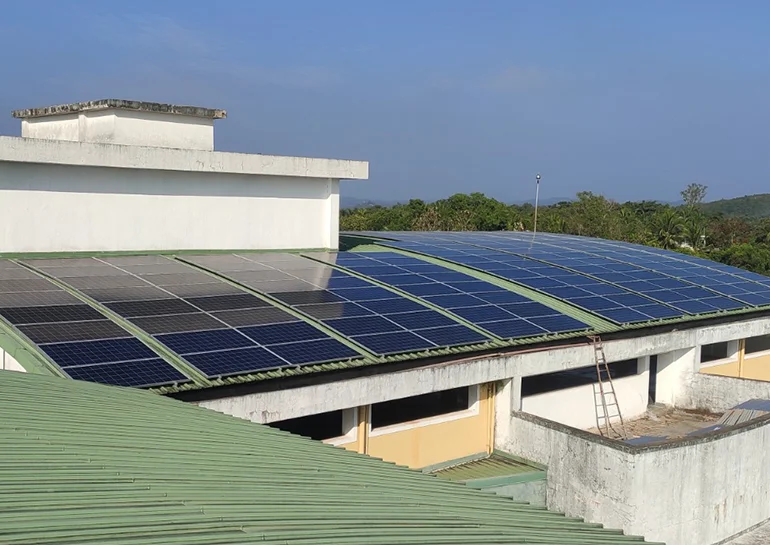
Is power generated from sunlight using solar panels. These panels convert sunlight into electricity through photovoltaic (PV) cells.
Simple working process
- Solar panels capture sunlight.
- Panels generate direct current (DC) electricity.
- A solar inverter converts DC into usable alternating current (AC).
- Electricity powers your home or business.
- Excess power can be exported to the grid through net metering.
Solar energy systems are clean, renewable, and designed to work efficiently in Indian weather conditions.
Why Solar Energy Is Ideal for Dehradun
Dehradun receives ample sunlight throughout the year, making solar energy highly effective.
Key local advantages
- Good solar irradiation levels
- Rising electricity tariffs
- Government solar subsidy support
- Suitable rooftops for residential and commercial buildings
With these factors combined, solar energy delivers strong returns on investment in Dehradun.
Benefits
Switching to solar energy offers multiple advantages beyond electricity savings.
1. Lower Electricity Bills
Solar energy reduces dependence on grid power, significantly lowering monthly electricity costs.
2. Clean and Renewable Power
Solar energy produces no pollution and helps reduce carbon emissions.
3. Long-Term Savings
A well-installed solar energy system lasts 25 years or more, delivering free power after payback.
4. Energy Independence
Solar energy protects users from power cuts and rising tariffs.
5. Increased Property Value
Homes with solar energy systems often attract higher resale value.
Types
Choosing the right system depends on usage, budget, and backup requirements.
On-Grid Solar Energy System
- Connected to the electricity grid
- Supports net metering
- Most affordable option
- Ideal for urban homes in Dehradun
Off-Grid Solar Energy System
- Works independently from the grid
- Uses batteries for backup
- Suitable for remote areas
Hybrid Solar Energy System
- Combines grid connection and battery backup
- Provides power during outages
- Popular choice for homes and businesses
Each solar energy system serves different needs, and proper selection ensures maximum efficiency.
Subsidy in Uttarakhand
The government actively promotes solar energy adoption through subsidies and schemes.
Subsidy benefits
- Reduced installation cost
- Faster return on investment
- Support for residential users
Solar energy systems installed by approved vendors are eligible for subsidy benefits as per current MNRE guidelines.
Installation Process
Installing solar energy systems follows a structured approach.
Step-by-step process
- Site survey and energy assessment
- System design and capacity planning
- Installation of solar panels and inverter
- Net metering application
- System testing and commissioning
Professional installation ensures safety, efficiency, and long-term performance.
Maintenance Requirements
Solar energy systems require minimal maintenance.
Best practices
- Clean panels every 3–4 months
- Check inverter performance regularly.
- Ensure proper ventilation
- Schedule annual inspection
With basic care, solar energy systems deliver consistent output for decades.
Real-World Experience with Solar Energy in Dehradun
Many residential societies, schools, hotels, and factories in Dehradun have already adopted solar energy. Users report reduced electricity bills, stable power supply, and quick payback periods.
Commercial users benefit even more due to higher daytime consumption, making solar energy a smart investment for businesses.
Common Myths
Myth 1: Solar energy doesn’t work on cloudy days.
Solar energy systems continue generating power even in diffused sunlight.
Myth 2: Solar energy is too expensive.
With subsidies and savings, solar energy is affordable and cost-effective.
Myth 3: Solar panels need constant maintenance.
Solar energy systems require very little maintenance.
How to Choose
Selecting the right installer is crucial.
What to check
- Experience in solar energy projects
- MNRE-approved products
- Local service support
- Transparent pricing
- Warranty and after-sales service
A reliable provider ensures long-term performance and peace of mind.
FAQs – Solar Energy
1. Is solar energy suitable for homes in Dehradun?
Yes, Dehradun receives sufficient sunlight, making solar energy highly effective for residential use.
2. How much electricity can solar energy generate?
A 1 kW solar energy system can generate around 4–5 units per day on average.
3. Does solar energy work during power cuts?
Hybrid and off-grid solar energy systems provide backup during outages.
4. How long does a solar energy system last?
Solar panels last 25 years or more with proper maintenance.
5. Can excess solar energy be sold to the grid?
Yes, on-grid solar energy systems allow net metering for exporting surplus power.
Why Solar Energy Is the Future
It is no longer an alternative—it is the future of electricity generation. For Dehradun residents and businesses, solar energy offers cost savings, environmental benefits, and energy security. With government support and improving technology, now is the best time to invest in solar energy.
Call to action
👉 Planning to switch to solar energy?
Get expert guidance, subsidy assistance, and professional installation in Dehradun.
Start your journey today and power your future sustainably.